The SF Urban Film Fest is curated and produced by a collective with members representing academia, urban planning, housing finance, multi-media production, and film.
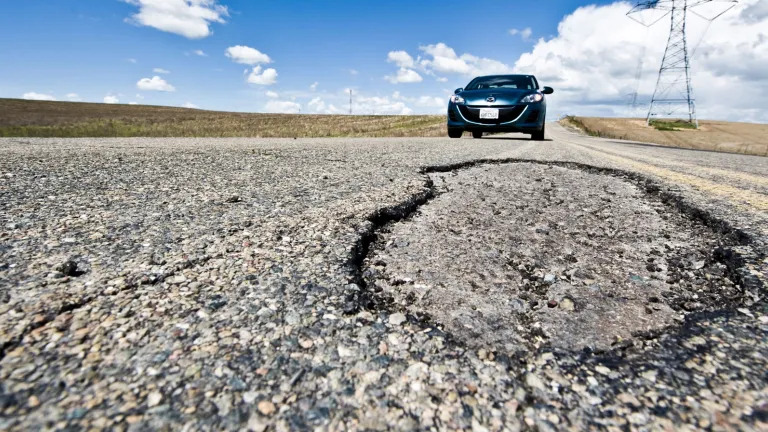
SB1 dollars fix potholes and rebuild streets all over California. SB1 also contributes tens of millions of dollars to Transit Agencies. The amounts to Bay Area transit agencies are substantial.
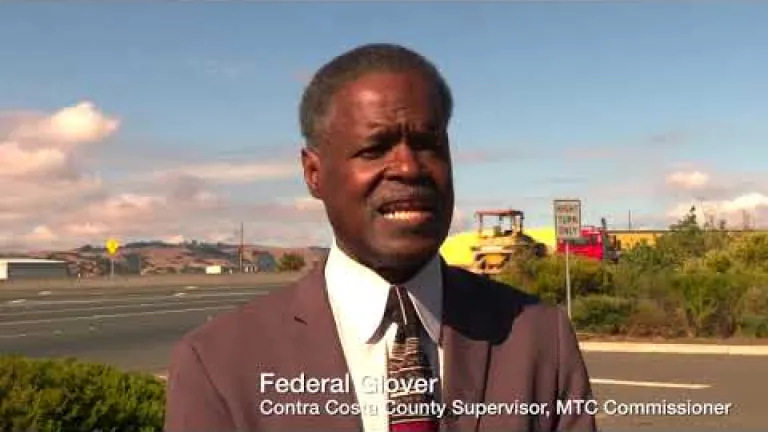
Contra Costa County is using SB1 funding to repair roads, rebuild highway interchanges and to add Express Lanes.
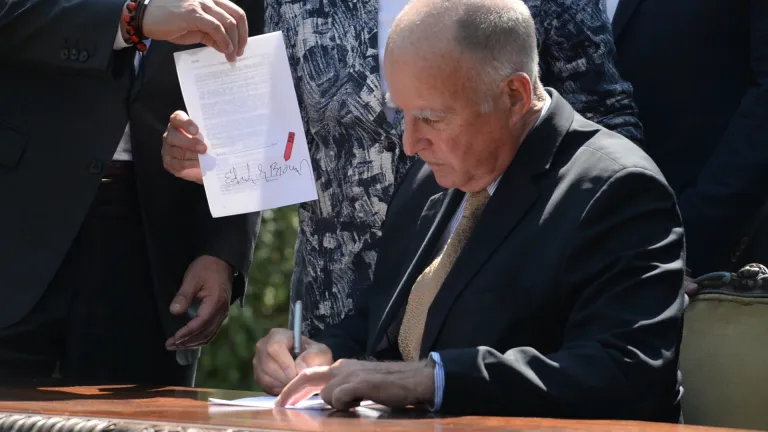
Locally elected officials say this year’s State Transportation funding of SB1 is helping to overcome years of deferred maintenance.
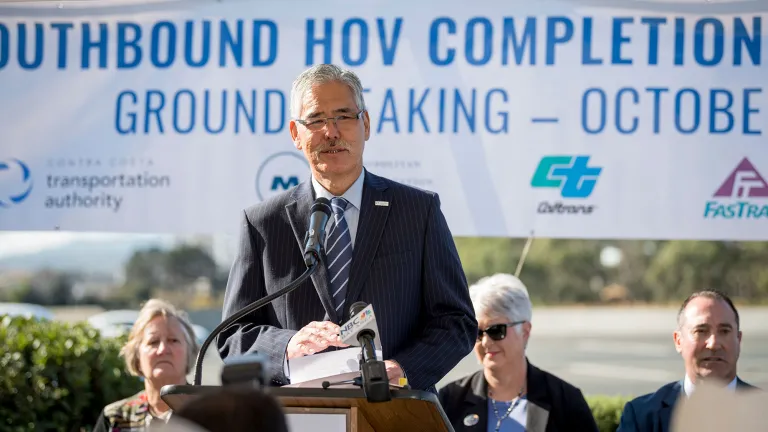
The Southbound Express Lane in Contra Costa County is going to be expanded. Construction is underway now to give southbound commuters continuous access to Express Lanes from the Benicia Bridge, all the way to the Alameda County line by 2021.
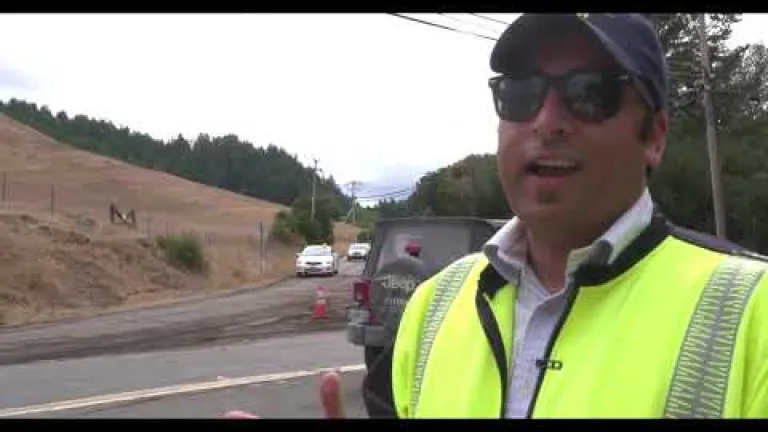
SB1 funding has improved streets and roads in Marin County this year, helping to overcome more than a decade of deferred maintenance caused by insufficient funding.
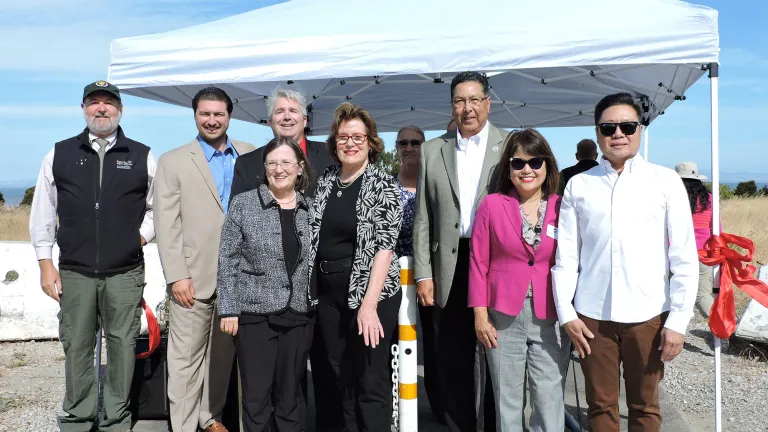
The Contra Costa Transportation Authority (CCTA), MTC and the California Department of Transportation (Caltrans) District 4 today celebrated the start of construction on a new southbound Express Lane on Interstate 680.
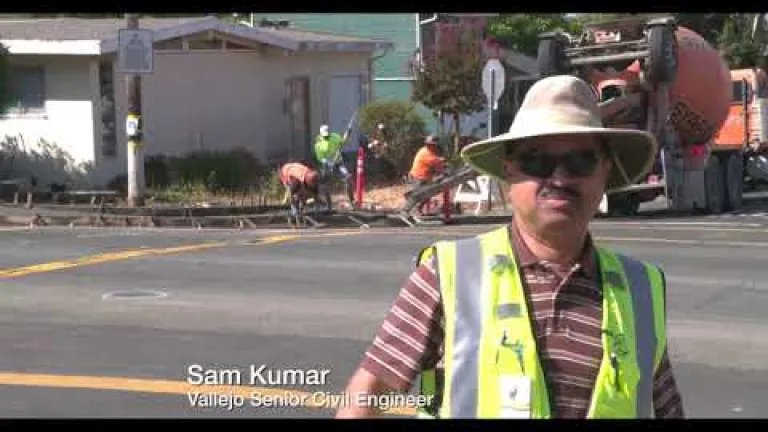
In Solano County, SB1 money is being used to pave a street that hasn’t been paved in half a century. SB1 funds are also replacing dozens of antiquated curbs to make them safe and ADA compliant, and Slurry seal a busy street near the Ferry Terminal.
The City of Oakland has had a $440 million dollar backlog of pothole and street repairs. This year, California’s Senate Bill 1, or SB1, has led to a “Summer of Paving” for Oakland.
On September 26, 2018, MTC and ABAG staff hosted an event at WeWork Valley Towers in San Jose to discuss strategies to support a future Bay Area where transportation.
For years, the county of San Mateo has been deferring 4 million dollars a year in roadway work because of insufficient funding. In 2018, because of new transportation funding approved by the State Legislature, they county has begun to catch up.
The city of San Jose has a backlog of hundreds of millions of dollars in deferred maintenance for its 2400 miles of roadway. Because of a lack of funding, residential streets in San Jose haven’t been paved since 2011.